
How to Buy a Pest Control Business: The Complete 2026 Acquisition Guide
A step-by-step guide to acquiring a profitable pest control business in the US — licensing, recurring-revenue valuation, route density, technician retention, SBA financing, and the diligence checklist serious buyers use.
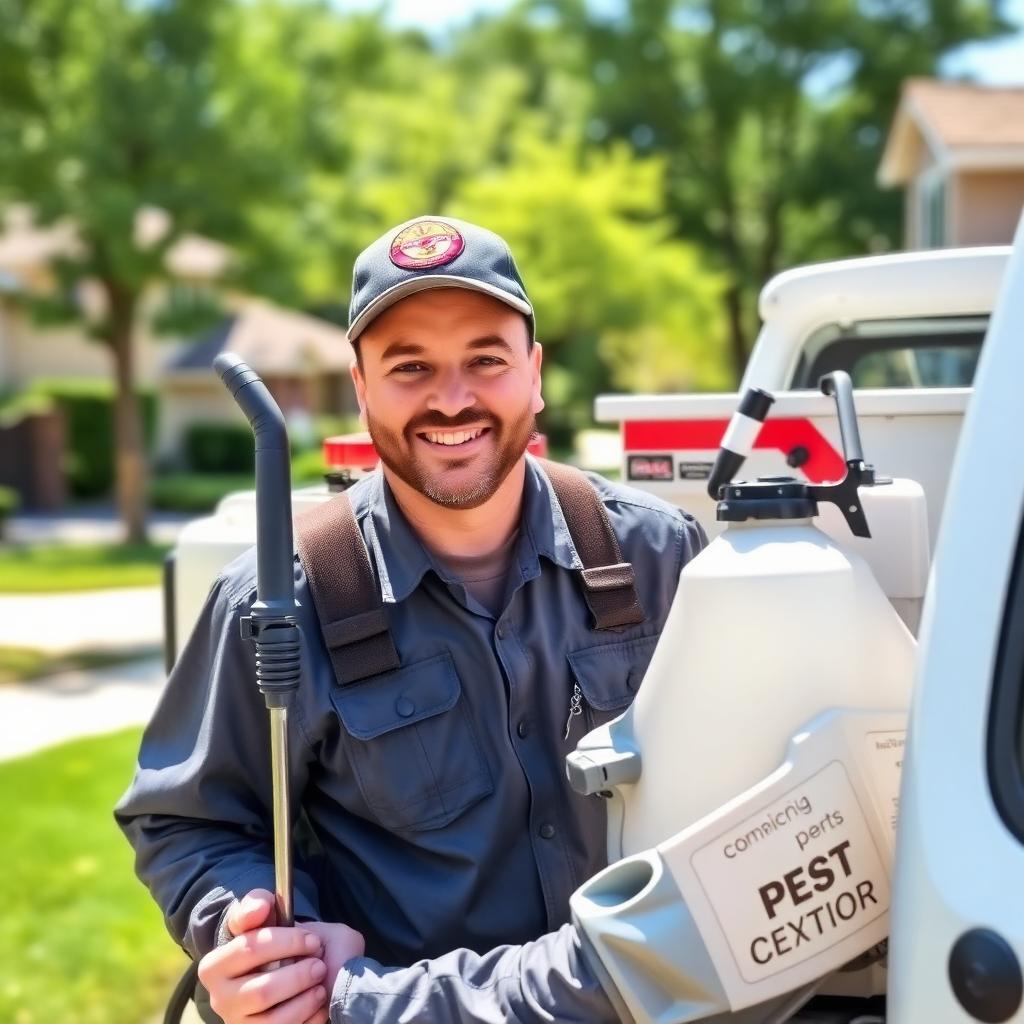
Why pest control is one of the best service businesses to acquire
Pest control combines everything a serious acquirer is looking for: contractually recurring revenue (quarterly and bi-monthly service plans, annual termite renewals), non-discretionary demand (regulations, real-estate closings, and infestations do not pause in a recession), and a fragmented operator base where 70%+ of US shops are owner-operated sub-$5M businesses ripe for transition.
Gross margins on residential recurring routes sit at 55–70%, EBITDA margins on well-run independents land at 18–28%, and customer lifetime is measured in years, not months. That stickiness is why strategics and PE roll-ups (Rentokil-Terminix, Anticimex, Rollins) pay 8–14x EBITDA — and why an SBA-funded independent acquirer can still buy a $1.5M revenue route at 3.5–5x SDE and immediately benefit from the same tailwinds.
Understand the revenue mix before you offer a dollar
Not all pest control revenue is created equal. Split the seller's trailing twelve months into four buckets: recurring residential (quarterly/bi-monthly plans), recurring commercial (monthly/quarterly contracts), termite (renewals + new installs + WDO inspections), and one-time/reactive (bed bugs, rodents, wildlife, one-off treatments).
Recurring residential and commercial deserve the highest multiple — they are the route-density flywheel. Termite renewals are excellent but watch for declining install counts (the leading indicator of renewal-base decay 2–3 years out). One-time revenue is real cash but should be valued lower because it does not compound.
A healthy independent target is roughly 55–75% recurring, 15–25% termite, and the remainder reactive. Anything below 40% recurring is a marketing business in disguise, not a route business — adjust your multiple accordingly.
Licensing: the single biggest deal killer (and how to handle it)
Every US state regulates structural pest control through a state Department of Agriculture (or similar). The business needs a Pest Control Business License (sometimes called a Structural Pest Control Operator license), and at least one full-time employee must be a Certified Operator-in-Charge (Qualified Applicator, Certified Operator, Responsible Person — the title varies by state) under whose license the company operates.
If the seller IS the Operator-in-Charge and is exiting at close, you have a problem. The business cannot legally spray on day one without a credentialed operator on staff. Plan A: have the seller stay employed as the Operator-in-Charge for 6–18 months post-close (formalized in the APA and the consulting agreement, not as a handshake). Plan B: identify and pre-hire a credentialed lead technician before close. Plan C: get the credential yourself — 6–24 months of supervised experience plus passing state exams; only realistic if you have runway.
Termite work (WDO inspections, pre-construction treatments, fumigation) often requires an additional category endorsement. Verify which categories the business is licensed in and which categories its revenue actually depends on — they need to match.
Route density is the whole game
A pest control business with 1,200 accounts spread across one metro is worth meaningfully more than one with 1,200 accounts scattered across three counties. Route density drives gross margin (stops per hour, drive time, fuel) and dictates how cleanly the business will integrate with future tuck-ins.
Ask the seller for a heat map (or build one in Google My Maps from the customer export). Calculate stops per technician per day, average drive time between stops, and revenue per route mile. Densities above 8 stops/hour on residential recurring routes are best-in-class; below 5 stops/hour means the business has a structural cost problem that capex and routing software will only partially solve.
Technician retention will make or break year one
Credentialed and experienced technicians are the scarcest resource in this trade. A pest control acquisition where the top two route techs leave within 90 days of close is a fundamentally different (and worse) business than the one you underwrote.
Before LOI, get a 1:1 with every technician (under the seller's supervision is fine). Verify pay, route assignments, vehicle ownership, non-competes, and — most importantly — their gut-check willingness to stay through a transition. Build retention bonuses ($2K–$10K paid at 90/180/365 days) into your closing budget. The cost of retention is always cheaper than the cost of replacement.
Valuation: SDE multiples and how to defend yours
For independent residential/commercial pest control businesses under $3M revenue, expect SDE multiples in the 3.0–4.5x range. Termite-heavy books with strong renewal economics push toward 4.5–5.5x. Books with 80%+ recurring revenue, strong route density, and a transferable Operator-in-Charge can command 5x+.
Above $3M EBITDA, you enter strategic/PE territory and multiples step up to 6–10x EBITDA — at that point you are likely competing with roll-ups and should expect a competitive process.
Defend your multiple with: recurring vs. one-time mix, customer concentration (no commercial account >10% of revenue), termite renewal rate (>85% annually), technician tenure, and Operator-in-Charge transition plan. Every weakness on this list is worth 0.25–0.75x off your offer.
SBA 7(a) financing — pest control is a lender favorite
SBA Preferred Lenders love pest control. The business has tangible collateral (trucks, equipment), recurring revenue lenders can underwrite a DSCR against, and a strong industry track record. Acquisitions in the $750K–$5M range routinely close at 10% buyer equity, 10% seller note on standby for 24 months, and 80% SBA bank debt.
Approach Live Oak Bank, Huntington, Newtek, Pinnacle, and Byline — all write multiple pest control acquisition loans every year. Get a pre-qualification letter before you submit any LOI; sellers and brokers in this trade take you ~3x more seriously the moment you can prove financeability.
Diligence checklist specific to pest control
Beyond standard financial and legal diligence, run these trade-specific checks during exclusivity: 1) Full customer export with start date, plan type, monthly price, last service date, and lifetime revenue. 2) Termite warranty/renewal liability schedule — outstanding warranties are an inherited obligation, not just revenue. 3) State complaint and enforcement history for the business license and the Operator-in-Charge credential. 4) Chemical and equipment inventory with expiration dates. 5) Vehicle titles, mileage, and lease/loan balances. 6) Branch office and storage permit compliance (chemicals are heavily regulated). 7) Workers' comp experience modification rate — the most common surprise cost on acquired pest control books.
The 90-day post-close playbook
Day 1: file the license transfer paperwork or place the credentialed operator on staff; do not spray a single account without a valid license on the wall. Week 1: personally call the top 20 commercial accounts to introduce yourself and reaffirm the service relationship. Week 2: meet every technician 1:1; pay any 90-day retention bonus already promised. Month 1: deploy or audit routing software (PestPac, GorillaDesk, FieldRoutes, ServSuite) — do not change software stacks in the first 90 days unless something is on fire. Month 2: review pricing across the recurring book; most acquired pest control businesses are underpriced by 8–15% versus market. Month 3: begin tuck-in conversations with smaller independents in adjacent zips — the route-density flywheel starts here.
Frequently asked questions
How much does a pest control business cost to buy?
Independent residential/commercial pest control businesses under $3M revenue typically transact at 3.0–4.5x SDE, with termite-heavy books pushing 4.5–5.5x. A business doing $1.5M revenue and $400K SDE will commonly trade in the $1.4M–$1.9M range, fundable with ~$150K–$200K of buyer equity through SBA 7(a).
Do I need a pest control license to own the company?
You do not need to be licensed personally to own the company in most states, but the company must employ a credentialed Operator-in-Charge (titles vary by state). Plan to either retain the seller in this role for 6–18 months, pre-hire a credentialed lead technician before close, or pursue the credential yourself (6–24 months of supervised experience plus state exams).
What is a healthy recurring-revenue percentage for a pest control acquisition?
Aim for 55–75% recurring (residential and commercial plans), 15–25% termite, and the rest reactive/one-time work. Below 40% recurring, you are buying a marketing-driven reactive business — still viable, but it should be valued at a meaningfully lower multiple.
Is SBA financing easy to get for pest control?
Yes. Pest control is one of the most lender-friendly service trades: recurring revenue underwrites cleanly to DSCR, vehicles and equipment satisfy collateral requirements, and the industry has a strong repayment track record. Get pre-qualified with at least three SBA Preferred Lenders before submitting any LOI.
How BusinessLocating helps you win
Our 150-person concierge sourcing team works the phones daily across the United States to find off-market HVAC, plumbing, pool, electrical, pest control, landscaping, and roofing businesses before they ever hit a listing site. We pre-qualify sellers, package financials, pre-screen with SBA Preferred Lenders, and coordinate legal, QoE, and licensing diligence — so first-time and repeat acquirers can close exclusive, highly profitable deals with confidence.